
SharPay card reviewed: a Euro-denominated crypto Mastercard with a narrow audience
 Available in US
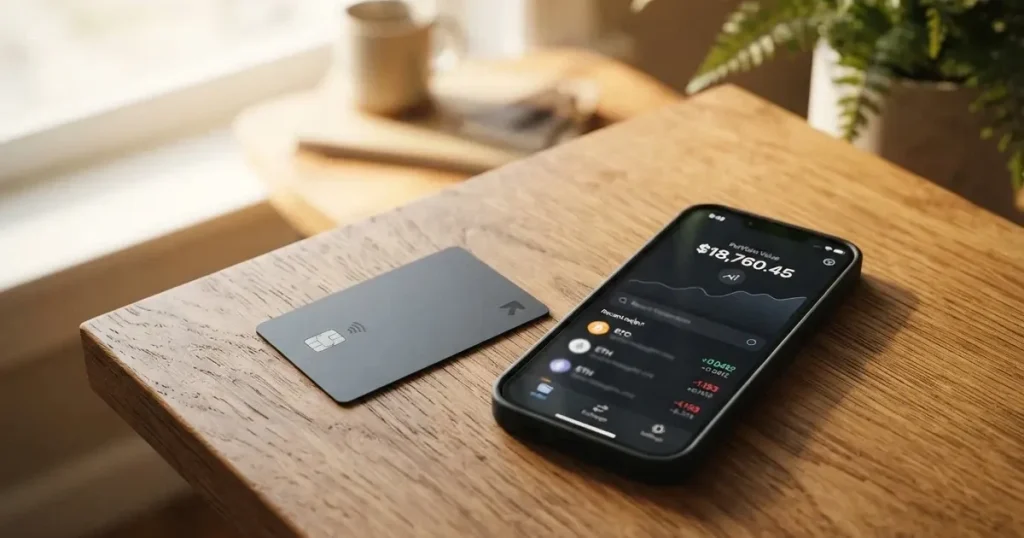
SharPay is a payment card that spends from a balance you can top up in euros or in crypto. The card itself is a Mastercard debit, issued by a Lithuanian electronic money institution, and the wallet behind it converts your crypto at the point of payment. That combination is useful for a particular type of reader, and inconvenient for almost everyone else. This review walks through what I found when I went through the card’s terms, fee schedule and app: who can actually get one, what it costs in practice, how the top-up flow works, and where the card stumbles.
Conditions are current as of October 28, 2026.
Verdict
SharPay earns 5.9 out of 10. The card does what it says on the tin: you can top up in euros or in several major cryptocurrencies, you get a virtual card immediately, a physical card within a couple of weeks, and Google Pay and Apple Pay support. The numbers behind that experience are the problem. Opening a payment account costs €10, the card costs €1 to issue and €3 a month to keep, loading it from a card costs €2 plus 1.99%, and the foreign-exchange mark-up is 2.99%. On a card that is supposed to compete with the cheapest crypto cards on the market, those are ordinary bank-card fees, not the near-zero costs the category has been pushing toward.
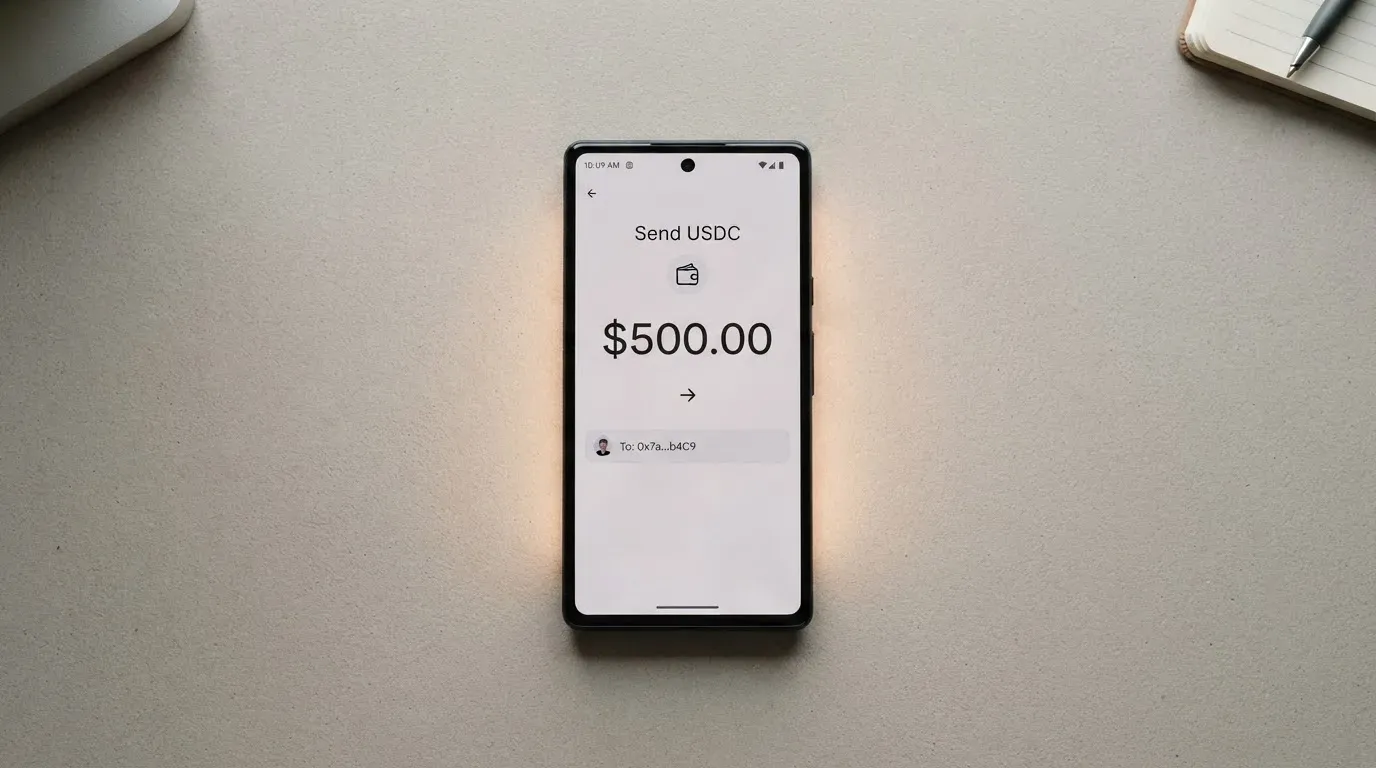
Score breakdown
| Criterion | Mark | Why |
|---|---|---|
| Who can get it | 5 / 10 | Residence-based eligibility; residents of sanctioned or restricted countries are blocked, and crypto services are not offered to EU residents; total country list not disclosed |
| Cost | 3 / 10 | Account opening €10, card issuance €1, monthly service €3, card-to-card loading €2 + 1.99%, FX mark-up 2.99% |
| Top-up options | 6 / 10 | EUR plus USDT, USDC, BTC, ETH, XRP, LTC, BCH, with DAI and TUSD also listed; specific networks not named in the FAQ; USDC deposits via Mastercard/VISA carry an extra 4% |
| Reliability and complaints | 8 / 10 | Card issued by UAB Walletto (Lithuania, Bank of Lithuania licence no. 33); payments handled by SPEKA Payments Corp (Canadian FINTRAC MSB M22046940); no complaints or reviews found |
| Everyday use | 9 / 10 | Virtual card available immediately after ordering, physical in around 15 working days, Google Pay and Apple Pay supported, ATM withdrawals possible |
The audience that fits this card is narrow: non-EU residents who want a Mastercard with Apple Pay and are willing to pay a few euros a month in service and load fees for the convenience. EU residents are excluded from the crypto side of the product, which makes the card much less interesting for the largest single market of potential users.
Who will they give you the card
Eligibility for SharPay is governed by where you live, not by your passport. The terms say you must not be a resident of a restricted or prohibited country, and the card’s payment services are operated by SPEKA Payments Corp, whose prohibited-list document names Russia, Belarus, and the disputed regions of Crimea, Donetsk and Luhansk, Kherson and Zaporizhzhia, along with Iran, Cuba, Syria and a number of others. If you live in one of those places, the door is closed.
A second rule applies to the crypto side of the product: crypto services are explicitly not offered to EU residents. That is a meaningful carve-out. EU residents can still open a euro payment account and order a card, but the feature most people come to SharPay for, the ability to load and spend crypto, is unavailable to them. For an EU-based reader, the card effectively becomes a fairly expensive prepaid euro card.
Citizenship is treated separately from residence. Non-EU citizens need a foreign passport; EU citizens can use a passport or a national ID card. The card’s public pages do not single out any nationality as excluded beyond what falls out of the residence rule, but the application will still run sanctions and politically-exposed-person screening as part of the standard checks. Age is not stated on the public pages I read.
The country count is the soft spot in the eligibility story. SharPay does not publish a full list of supported countries on the card or pricing pages, and the App Store listing makes general claims rather than specifics. If you live somewhere unusual, the only safe way to find out is to register and start verification; the system tells you fairly quickly if your country is not on the list.
How to sign up
Registration starts with the basics: a phone number, an email address and a password. After that, the flow moves into identity verification, which is where the cost of using the card starts to become real.
The standard document set is a passport photograph: full page, good quality, uncropped. The verification page is explicit that cropped copies and non-passport documents are rejected, and that a video selfie with poor light, a hat, glasses or a filter will also fail. You will also be asked to upload bank statements in English, fill in a short questionnaire about your expected turnover and source of funds, and disclose any links to politically-exposed persons or US persons. This is a Level 1 check, and the document review is stated to take from 1 to 72 hours.
For the card itself you need Level 2, which is the extra check needed for fiat accounts and cards. The additional review can take up to 5 days. Once it is done, you can order the card from inside the app.
You get two cards: a virtual one that becomes active immediately after you order it, and a physical card that is shipped in about 15 working days. The card is a Mastercard debit, and the issuer named in the cardholder terms is UAB Walletto, a Lithuanian electronic money institution. The account can hold up to 5 cards, per the homepage and App Store claim, and the card’s base currency is the euro; the fee schedule is denominated in euros and that is the currency the card settles in by default.
If your verification is rejected, the most common reasons are document quality (cropped passport copies, non-passport IDs) and a video selfie that does not pass the quality checks. There is no separate appeal process mentioned; the practical path is to re-submit clean documents.
Fees: what it really costs
The headline numbers are easy to find, and they add up faster than the marketing suggests. Opening a payment account costs €10; a crypto account is free. Issuing a card costs €1; replacing the virtual card also costs €1; monthly card service is €3 per card. Closing a personal account costs €25; closing a business account costs €100. If a chargeback is opened against you, the handling fee is €40.
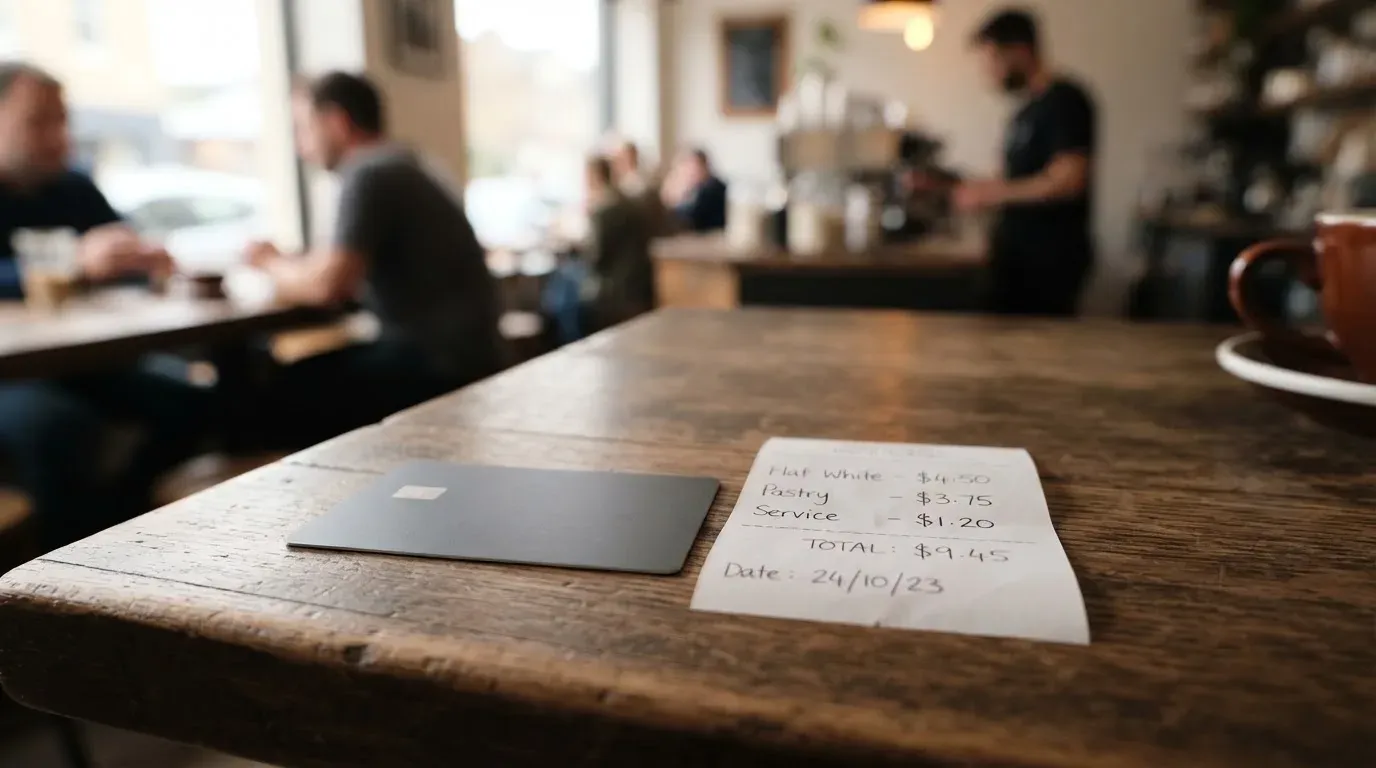
Loading the card from another card is the largest single cost for a casual user: 2.00 EUR plus 1.99% per top-up. Paying with the card in euros carries no extra fee, but any purchase in a non-euro currency picks up a 2.99% foreign-exchange mark-up, on top of whatever spread sits inside the conversion. ATM withdrawals are technically possible, but the fee page does not publish a fee or an allowance for them, so I cannot tell you what cash will actually cost you.
USDC deposits and withdrawals through Mastercard or Visa cost 4% and 3% respectively. For other coins the fee page refers only to a “network fee” without putting a number on it; that network fee is the gas or bandwidth the underlying blockchain charges, not something SharPay sets.
There is only one tier. There are no Bronze, Silver or Gold plans, no annual subscription, and no cashback or rewards mentioned anywhere on the pages I read.
Cost table
| Fee or limit | Amount |
|---|---|
| Payment account opening | 10 EUR |
| Crypto account opening | Free |
| Virtual card issuing | 1.00 EUR |
| Virtual card replacement | 1.00 EUR |
| Monthly card service | 3.00 EUR per card |
| Card-to-card top-up | 2.00 EUR + 1.99% |
| FX mark-up (personal card) | 2.99% |
| USDC deposit via Mastercard/Visa | 4% |
| USDC withdrawal via Mastercard/Visa | 3% |
| Chargeback handling | 40 EUR |
| Account closure (personal) | 25 EUR |
| Account closure (business) | 100 EUR |
| Card POS + e-commerce daily limit | 10,000 EUR |
| Card POS + e-commerce monthly limit | 30,000 EUR |
| SEPA crypto transactions | Max 14,500 EUR / day |
| ATM withdrawal fee | Not stated |
| ATM withdrawal allowance | Not stated |
To put those numbers into a few everyday situations:
A €50 weekly shop in euros, paid with the card: no extra fee on top of the card’s price. The €3 monthly service is the only standing cost, and on a single purchase it is invisible.
A €100 top-up from a bank card to fund that shopping: €2 plus €1.99, so €3.99. On a single top-up that is a 4% drag on the money you just loaded. If you top up more often and in smaller amounts, the fixed €2 starts to dominate.
A €200 purchase in US dollars while travelling: 2.99% FX mark-up, so €5.98, on top of the merchant’s exchange into dollars. There may also be a spread inside the conversion, but the card’s public pages do not state one separately.
The break-even calculation is simple but unflattering. With a €3 monthly fee and a 2.99% FX mark-up, you need to spend roughly €100 a month before the card becomes cheaper than paying a 1% cashback card that charges no monthly fee. And that does not include the cost of funding the card in the first place.
How to top it up
SharPay accepts euro top-ups and crypto top-ups. The euro side is what you would expect: card-to-card transfers, with the €2 + 1.99% fee described above. The crypto side is where the card wants to differentiate itself, and the list of supported coins is reasonably long.
The currencies listed on the price and FAQ pages are EUR on the fiat side, and USDT, USDC, BTC, ETH, XRP, LTC, BCH on the crypto side, with DAI and TUSD also appearing on the price page. That covers most of what a typical user would want to move, although the absence of SOL, TON or any non-Ethereum L2 is a real limitation for users who hold their assets on those chains.
The networks are the catch. The FAQ tells you to “select the currency and network” inside the top-up flow but does not list which networks are supported for each coin, so the only way to know is to start a top-up and see what the app offers. XRP and Stellar transfers require a memo or tag, which is a frequent source of lost deposits on cards that do not make this very clear; SharPay does at least call it out. Crypto sent in a currency other than euros is automatically exchanged at the system’s exchange rate when it lands; the spread on that exchange is not stated separately from the FX mark-up.
The minimum top-up is also not published as a number. The app tells you the minimum in the top-up amount input field, which means it varies by currency and possibly by network, and the only way to find out is to open the app and look.
Outbound transfers go to SEPA, to cards, to e-wallets and to crypto, with a stated processing time of 1 to 60 minutes. Card-to-card transfers out are only possible if the card was previously topped up, which is a standard anti-money-laundering pattern. What happens to the balance when you close the account is not stated on the pages I read; the closure fees are stated, but not the order of operations on the funds.
Paying with it every day
For a card that is light on rewards, SharPay is reasonably well set up for actual spending. Contactless payment is supported, and both Google Pay and Apple Pay are named explicitly, which is a meaningful feature for a phone-first user and is one of the card’s stronger points. The virtual card works from the moment you order it, which makes it useful for online subscriptions and one-off purchases while you wait for the plastic to arrive.
Settlement is in euros by default, but the card’s marketing says you can “purchase in any you wish”, which means paying in another currency at point of sale. The 2.99% mark-up applies on top of the network’s exchange rate, and any further spread is not disclosed. If you travel or shop in dollars, pounds or another non-euro currency, the all-in cost is the mark-up plus whatever sits inside the rate the card uses.
Some merchant categories are blocked. The SPEKA prohibited-activities list, which is what governs the card’s transaction policy, includes illegal gambling services (covering unlicensed casinos, sports betting and lotteries) and adult content, among other things. That is similar to what most regulated cards do, and the practical effect for a normal user is small: ordinary retail, restaurants, transport, subscriptions and in-app purchases all work.
There is no cashback or rewards programme mentioned on the public pages, and no sign of a tiered benefit structure. The card’s value proposition is therefore “spend your crypto at point of sale” rather than “spend your crypto and earn something back”. The 3-D Secure 2.0 protocol is in place for online payments, which is standard but worth knowing: an unfamiliar online merchant may push a one-time-code or biometric prompt to your phone during checkout.
The SharPay Wallet app is on both Google Play and the Apple App Store. The number of user ratings is not shown on the pages I read, so I cannot tell you whether the app feels polished or rough in practice. The homepage claims “15k +” users, which is a number but not a meaningful signal on its own. If mobile quality matters to you, the only reliable test is to install the app and look at it before you start verification.
Disputes and refunds are handled through the standard chargeback process, with a €40 handling fee if you open one. The card’s pages say that a double debit will be returned automatically, and a refund-policy PDF is linked from the site; the time frames for refund processing are not stated in the body text I read, so I cannot confirm how long a refund typically takes.
What can go wrong
SharPay is a custodial product. Your euro balance sits in an e-money account at UAB Walletto, and your crypto, when you deposit it, is held by the same provider. The wallet behind the card is not self-custody: the provider holds the credentials, and you trust them to look after the funds. That is the standard model for cards in this category, and it has a long history of going wrong elsewhere.
The company behind the website and app is GTM Exchange Ltd, registered in Cyprus. The card itself is issued by UAB Walletto under a Bank of Lithuania e-money licence, number 33. The payment-services backbone is run by SPEKA Payments Corp, a Canadian money-services business registered with FINTRAC under number M22046940, and that entity is also the one that runs the prohibited-countries and prohibited-activities screening. The crypto services are described as operating “outside the EU and not to EU residents”, which is the basis for the EU carve-out.
On the safeguards side, the app uses OTP or two-factor codes at login, you can freeze and unfreeze cards from inside the app, and 3-D Secure 2.0 is on for online payments. The provider may also request “proof of funds” documentation, which is a normal anti-money-laundering request rather than a sign of trouble. What is not stated is whether customer funds are safeguarded in segregated accounts or covered by insurance, and whether any of the balances benefit from a deposit-guarantee scheme. As a general matter, e-money balances are not the same as bank deposits and are usually not covered by deposit guarantee schemes, but I cannot confirm the specific safeguarding arrangement SharPay uses.
Support is reachable by phone at +357 2503-09-49 (a Cyprus number), by email (the addresses are obfuscated on the page, which is mildly inconvenient), through a website support widget, and on Facebook, X, Instagram and LinkedIn. The website is published in English, Ukrainian and German. Hours are not stated.
On complaints: a dedicated search on SharPay card complaints, both on Reddit and Trustpilot, returned only unrelated brands. There is no SharPay page on Trustpilot, and no specific complaint themes or news stories came up in the search. That is reassuring in one sense, in that there is no public pattern of users losing money, but it is also a small sample: a card with 15,000 users and a quiet footprint will not generate many complaints even if some users have had bad experiences. I am reporting what I found, not promising there is nothing to find.
The single largest practical risk is the residence rule combined with the EU exclusion. If you move, if your tax residency changes, or if your country of residence is later added to the restricted list, your account can be frozen and the balance returned only after the standard enhanced due diligence. Residents of sanctioned countries, including Russia, Belarus, Iran, Cuba and Syria, along with the restricted regions of Crimea, Donetsk, Luhansk, Kherson and Zaporizhzhia, are ineligible for the card.
The second-largest risk is the cost structure. At 2.99% FX and 2.00 EUR + 1.99% per top-up, the card is meaningfully more expensive than the cheapest crypto cards, and the absence of cashback means there is no obvious way to claw that back. If you are using the card for daily spending rather than for occasional conversions, those fees will compound.
The third risk is operational. Crypto card programmes do close. Issuers lose their network licences, sponsors exit, and programmes wind down with notice periods. SharPay’s structure (a regulated Lithuanian issuer, a Canadian payments operator, a Cypriot product company) is not unusual, but it does mean there are three entities whose licences and decisions affect whether your card keeps working.
What to take instead
If SharPay’s fee structure or country list does not work for you, three alternatives are worth a look. None of them are drop-in replacements, because each has its own trade-offs.
International Visa Card
Score: 6.7 / 10. A US-issued Platinum Visa that pays in US dollars, currently virtual-only, with a physical card described as “coming soon”. Country exclusions are broad: residents of Belarus, mainland China, North Korea, Cuba, India, Iraq, Iran, Israel, Myanmar, Nepal, Nicaragua, Russia, Syria, Turkey, Ukraine, Venezuela and Vietnam cannot open an account or order the card, and purchases are blocked in North Korea, Cuba, Iran, Russia, Syria, Ukraine and Venezuela. The rule is by residence or registration, not by citizenship. Card issuance is $5, there is no maintenance fee, and there are three plans: Classic (free), Pro ($9/month) and Max ($19/month). Card use in dollars is free on all plans; foreign-currency transactions use the Visa exchange rate plus a 2% FX fee. Deposits of any kind are free. The funding story is USDC or USDT into the USD account at 1:1, with USD, EUR, SEPA, SWIFT and FedNow also supported. There is no cashback programme.
UNi Card
Score: 6.1 / 10. A multicurrency card on the Mastercard network that spends from the UNi.Global account balance. The card’s public pages state there is no annual fee and no foreign-transaction fee, and assets are converted at live over-the-counter rates with no hidden exchange fees. The issuance fee is not stated, the residency rules are not stated, and the funding options are not stated. On the reward side, the card has a “Spend-to-Earn” programme with up to 3% back on UNi Card spending. If the residency rules and funding options turn out to fit you, the all-in cost looks much lower than SharPay’s.
Morse
Score: 7.5 / 10. A Visa prepaid debit that is currently fully virtual and spends from the Morse Balance in any currency. Eligibility is by residence, not citizenship, with users required to be at least 18 and resident in a supported country; the app is available in over 140 countries for peer-to-peer use, with local add/withdraw in over 70. Sanctions screening is applied against US, UK, EU and UN lists. A number of countries need an invite code (Australia, Hong Kong, Japan, New Zealand, Singapore, Switzerland, the UK and others), and the card itself is “available only in certain countries” with the list not published. There is no foreign-exchange fee or mark-up, the real-time Visa rate is used, and “paying with the Morse Card, online and contactless, is free”. Funding is by debit card, stablecoin transfer, or Account Details in USD, EUR, MXN and COP, with USDC, USDG and EURC over Solana free and other tokens or blockchains carrying a fee. The Morse Wallet is self-custodial, which is a meaningful difference from SharPay. Rewards are not stated on the card pages.
A quick comparison:
| Card | Score | Issuer / network | FX fee | Monthly fee | Cashback |
|---|---|---|---|---|---|
| SharPay | 5.9 / 10 | UAB Walletto / Mastercard | 2.99% | 3 EUR | None stated |
| International Visa Card | 6.7 / 10 | US issuer / Visa | 2% | $0 (Classic) | None stated |
| UNi Card | 6.1 / 10 | Mastercard network | None stated | None stated | Up to 3% |
| Morse | 7.5 / 10 | Visa prepaid | Zero | Not stated | Not stated |
If the deciding factor for you is cost, Morse is the strongest of the four. If you specifically need a Mastercard with Apple Pay and you are outside the EU, SharPay still has a use case. If you want a multicurrency card with some cashback, UNi Card is worth investigating once you have confirmed the residency rules. If you are happy with a virtual Visa and a US-dollar base currency, the International Visa Card sits in the middle of the pack on cost and the most restrictive on geography.
Who I would recommend it to
SharPay is a reasonable card for a small, specific group of readers. If you are a non-EU resident who already holds euros or major cryptocurrencies, wants a Mastercard that works with Apple Pay and Google Pay, and does not need cashback, the card will do what you need without surprises. The Lithuanian issuer and the Canadian payments operator are legitimate, the prohibited-activities list is standard, and the lack of public complaints is mildly reassuring.
It is not a good card for an EU resident, who is excluded from the crypto side of the product. It is not a good card for someone whose main use is foreign-currency spending, because the 2.99% mark-up is at the expensive end of the category. It is not a good card for someone who wants self-custody, because the balance sits with the provider. It is not a good card for someone who tops up frequently in small amounts, because the fixed €2 component of the load fee will dominate. And it is not a good card for someone in a sanctioned or restricted country, because the door is closed by residence rather than by citizenship.
If any of those descriptions fits you, one of the alternatives above will probably serve you better. If none of them does, and you have read the fee schedule and the prohibited-activities list and you are still comfortable, SharPay is a workable option for the narrow audience it was built for.
Frequently asked questions
What is the SharPay card?
The SharPay card is a Mastercard debit that spends from a balance you can fund in euros or in several cryptocurrencies. The card is issued by UAB Walletto, a Lithuanian electronic money institution, and the product is operated by GTM Exchange Ltd in Cyprus, with payment services handled by SPEKA Payments Corp in Canada. The wallet behind the card converts your crypto at the point of payment, so a cardholder with a euro balance can pay in another currency and have it converted automatically.
How does the SharPay card work?
You register, complete identity verification, order the card from inside the app, and top up your euro balance either from a bank card or by sending crypto. A virtual card is active immediately; a physical card arrives in about 15 working days. At point of sale the card draws on your euro balance, and if you pay in a non-euro currency the card converts at the network rate plus a 2.99% mark-up.
Is SharPay a bank?
No. SharPay is a payment product operated by an electronic money institution, not a bank. That means customer funds are held in an e-money account, not a bank deposit account, and they are not covered by a deposit guarantee scheme. The card is a debit card on the Mastercard network, and the underlying licence is held by UAB Walletto under the Bank of Lithuania.
Who owns SharPay?
The website and app are designed and operated by GTM Exchange Ltd, a company registered in Cyprus. The card is issued by UAB Walletto in Lithuania, and the payment services are run by SPEKA Payments Corp, a Canadian money-services business registered with FINTRAC. The product is therefore the work of three separate entities in three jurisdictions.
Is the SharPay card available in my country?
The card is unavailable to residents of restricted or prohibited countries, which the SPEKA prohibited-list document says includes Russia, Belarus, Crimea, Donetsk, Luhansk, Kherson, Zaporizhzhia, Iran, Cuba, Syria and others. Crypto services are not offered to EU residents. The full list of supported countries is not published, so the only way to confirm eligibility is to register and start verification, which the system will reject quickly if your country is not on the list.
How do I get a SharPay card?
You register on the website or in the app with a phone number, an email address and a password, then complete Level 1 identity verification (passport photograph, bank statements, turnover and source-of-funds questionnaire, video selfie) and Level 2 verification for the card itself. The Level 2 review can take up to 5 days. Once it is done, you can order a card from inside the app, and the virtual card is active immediately while the physical card ships in around 15 working days.
Does the SharPay card require KYC?
Yes. Standard KYC documents are a full passport photograph in good quality, English bank statements, a turnover and source-of-funds questionnaire, and a video selfie. The card itself requires a second level of verification, which can take up to 5 days and may include additional document checks. Cropped passport copies, non-passport documents and selfies with poor light, hats, glasses or filters are common reasons for rejection.
How do I top up the SharPay card?
You can top up by card-to-card transfer in euros (2.00 EUR + 1.99%) or by sending one of the supported cryptocurrencies: USDT, USDC, BTC, ETH, XRP, LTC, BCH, and on the price page DAI and TUSD. The app asks you to select the currency and network, but the public FAQ does not list which networks are supported for each coin, so the only way to confirm is to start a top-up in the app. XRP and Stellar transfers require a memo or tag, and crypto in a non-euro currency is automatically converted to euros at the system rate.
Is the SharPay card safe?
SharPay is a custodial product, so the provider holds the balance rather than the user. The card uses OTP or two-factor codes at login, supports in-app card freeze and unfreeze, and applies 3-D Secure 2.0 for online payments. The issuer (UAB Walletto) and the payment-services operator (SPEKA Payments Corp) are both regulated, in Lithuania and Canada respectively. The card’s pages do not state whether customer funds are safeguarded in segregated accounts or covered by insurance, and e-money balances are generally not protected by deposit guarantee schemes.
How do I close my SharPay account?
You can request account closure from inside the app or by contacting support. The fee for closing a personal account is €25, and €100 for a business account. The card’s pages do not state what happens to the balance on closure, so the practical order of operations is to withdraw any remaining funds to a bank account, card, e-wallet or crypto address before requesting closure, then wait for the closure fee to be deducted.
App and neobank card verdicts – cryptocardverdict
Content created by the «cryptocardverdict» team