
A simple virtual crypto card that turns USDT, USDC, BTC and ETH into everyday spending
 Available in US
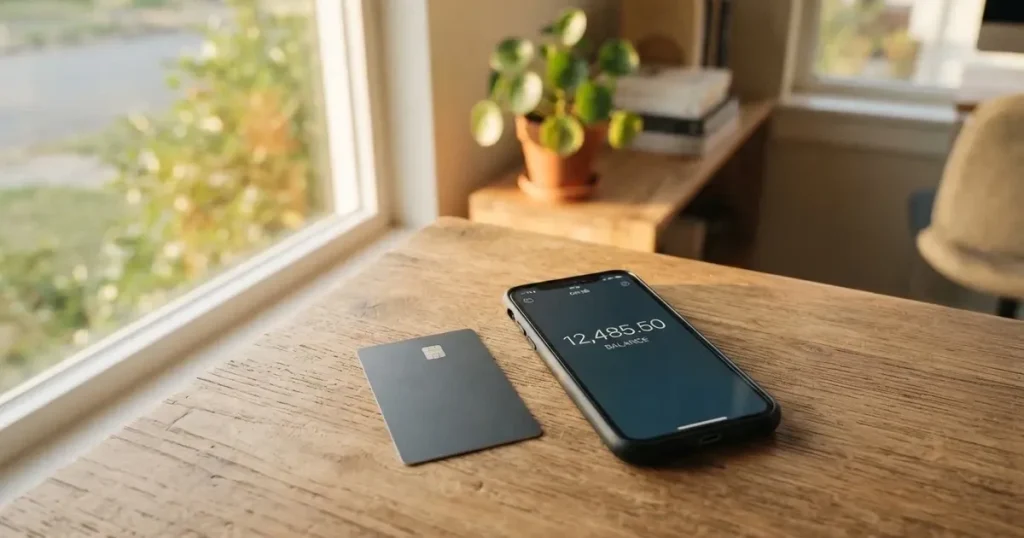
The YPT card is a payment card that lets you spend a crypto balance at any merchant that takes a contactless or online Visa or Mastercard. It is run jointly by YPT.COM Company and RedotPay, with the card programme sitting on top of an existing payments stack and the crypto side handled in the same app. In practice that means you top up with USDT, USDC, BTC or ETH, the balance is converted to US dollars on the card, and you pay in the currency the merchant charges you in.
This review is written for someone who already holds some crypto, has either been turned away by a traditional bank or wants a card that speaks the same language as the wallet, and is trying to figure out whether YPT is worth opening an account for. I went through the official help centre and the product page, and I read what the company itself does and does not say. The conditions on this page are current as of October 28, 2026.
My overall score is 7.4 out of 10. It is a neat, narrow product that does one thing well, and the things it does not do well are the things it does not pretend to do. If you fit its use case, the friction is low; if you do not, no amount of marketing will change that.
Verdict: 7.4 out of 10
The headline is that YPT is a virtual-first card aimed at people who want to turn a stablecoin balance into a card they can tap in a shop or use online, with Apple Pay and Google Pay as the everyday front end. The physical card exists on the menu but is marked as not yet available, and ATM withdrawals are listed as a feature that is also not yet in use. So in October 2026, what you can actually use today is the virtual card and the mobile wallets.
Where the card scores well is reach: it accepts four of the most common coins and stablecoins, and the only countries that cannot receive the card as a mailing address are Egypt, Tunisia, Palestine, Puerto Rico and Tanzania. The billing address is not restricted, so you can live in one country and have the card sent to another. Where it scores less well is that the price of issuing the card, the monthly fee, the ATM fee and the dispute window are all things the company does not publish. You know what you will pay in percentage terms when you spend, but you do not know what you will pay to walk in the door.
For the reader, the short version is this: if you want a low-friction way to spend a USDT or USDC balance, YPT is one of the cleaner options, and you can be up and running in an afternoon. If you need a physical card, ATM access, a published fee schedule or a tiered plan, look elsewhere or wait.
| Criterion | Mark | Why it scores where it does |
|---|---|---|
| Who can get it | 9 / 10 | Only five places are off the mailing-address list, and the billing-address side is open. |
| Cost | 7 / 10 | Spending fees are clear at 1% in USD and 2.2% in other currencies, but the issue price, monthly fee and ATM fee are not stated. |
| Top-up options | 7 / 10 | USDT, USDC, BTC and ETH, converted when you pay; the networks are not specified on the product page. |
| Reliability and complaints | 7 / 10 | A licensed trust company holds the assets, with $50 million of insurance; the issuer is not named and I could not find a public complaint thread. |
| Everyday use | 6 / 10 | Virtual card with Apple Pay and Google Pay works today; the physical card and ATM feature are marked “coming soon”. |
| Total | 7.4 / 10 | A focused virtual card that does the simple job well and a few extras are not yet live. |
The audience this card is built for, judging from the coin list and the lack of bells and whistles, is someone who holds BTC, ETH or stablecoins and wants a card that does not try to be a bank. The audience it is not built for is someone who wants a metal card in the post, an ATM card for a trip abroad, a cashback scheme or a published monthly statement of every charge. If that is you, the rest of the review is still worth reading, but the alternatives section at the end is the part that will save you time.
Who they will issue the YPT card to
The eligibility list is one of the clearer parts of YPT’s help centre. The help centre lists five places that the card cannot be sent to as a mailing address: Egypt, Tunisia, Palestine, Puerto Rico and Tanzania. That list is a delivery list, not a sanctions or citizenship list: it tells you where the envelope will not go, not who is barred from opening an account. The help centre is explicit that the billing address is supported in those places, which matters if, for example, you live in one of those countries and have a forwarding address elsewhere, or you travel and need a billing country the merchant will accept.
Outside those five places, the help centre does not publish a country-by-country list of supported or unsupported territories, and it does not publish a list of excluded nationalities. So while the on-the-page list is short, the underlying KYC rules still apply. The verification is handled by Sumsub, a third-party eKYC provider widely used by crypto companies, and the documents you hand over are the standard set: full legal name, date of birth, and an identity card, passport or driver’s licence. The help centre adds that more information may be requested. That is normal language for “we may ask for proof of address or source of funds later”, and it is the same sentence you will see in most regulated crypto products.
What this means for you, in practice, is two things. First, if you live in one of the five unsupported mailing-address countries, you cannot have the card posted to you at home; you would have to use a forwarding address in a supported country, and that forwarding address becomes your mailing address, not the unsupported one. Second, the absence of a public list of excluded countries outside those five is not the same as “everyone is welcome”. KYC will still pick up sanctions-list hits, politically exposed person status, and documents that do not pass review, and the company can still decline to issue the card. The five-country list is the floor, not the ceiling, of who can get one.
I also noted that the company is not a bank. The card is a payment product, not a current account, and there is no deposit guarantee scheme behind the fiat balance. That is normal for this category, and it is the same caveat you would read on a prepaid travel card. If you want the protections of a bank account, this is not it.
How to get the YPT card
The signup flow is the standard crypto-card flow: download the app, create an account, complete Sumsub KYC, get the virtual card. The help centre is the only place I found a description of the product, and it describes the virtual card in some detail and mentions a physical card in the navigation without describing it. Both Visa and Mastercard, and the default currency of the physical card, are not stated on the public pages I could read. The only thing the help centre says about the physical card is that it is marked “IT WILL BE PUT INTO USE SOON”, which is the same note attached to the ATM feature.
KYC, handled by Sumsub, asks for full legal name, date of birth and a government-issued photo ID. An independent third-party source I cross-checked, iq.wiki, dated May 2025, also says identity verification is required for compliance. The help centre says Sumsub may request more information, which is the standard “we can ask for source of funds and proof of address” clause. The KYC levels, if there is more than one tier, are not stated on the public pages.
The delivery time and shipping cost for a physical card are not stated, and that is largely moot at the moment because the physical card is not yet in use. If you are signing up for the physical card specifically, you are signing up for a product that is not available yet, and the only honest answer to “when will it ship” is “the company has not said”.
What the signup flow does not seem to involve is a waiting list, a referral code, an invite or a country-specific application form. That is worth noting because some crypto cards route you through a country-specific entity and ask different questions depending on where you are. YPT does not appear to do that on the public pages.
For most readers, the practical walk-through is: install the app, sign up with an email, complete the Sumsub identity check, generate the virtual card, add it to Apple Pay or Google Pay, top up with USDT or USDC and start spending. The whole thing fits in an afternoon if your documents upload cleanly.
Fees: what the YPT card really costs
This is the section where I have to be most careful, because the company publishes some of the fees clearly and does not publish others at all. The fee schedule that is public is a spending-fee schedule, and the fees that are not public are the entry fees: the price to issue the card, any monthly fee, the ATM fee, the FX margin if you spend in a non-USD currency (which is described as 2.2% but is a combined conversion and FX charge rather than a clean interbank rate), and any inactivity or minimum-balance fee. If you care about the all-in cost, that is the gap you have to live with.
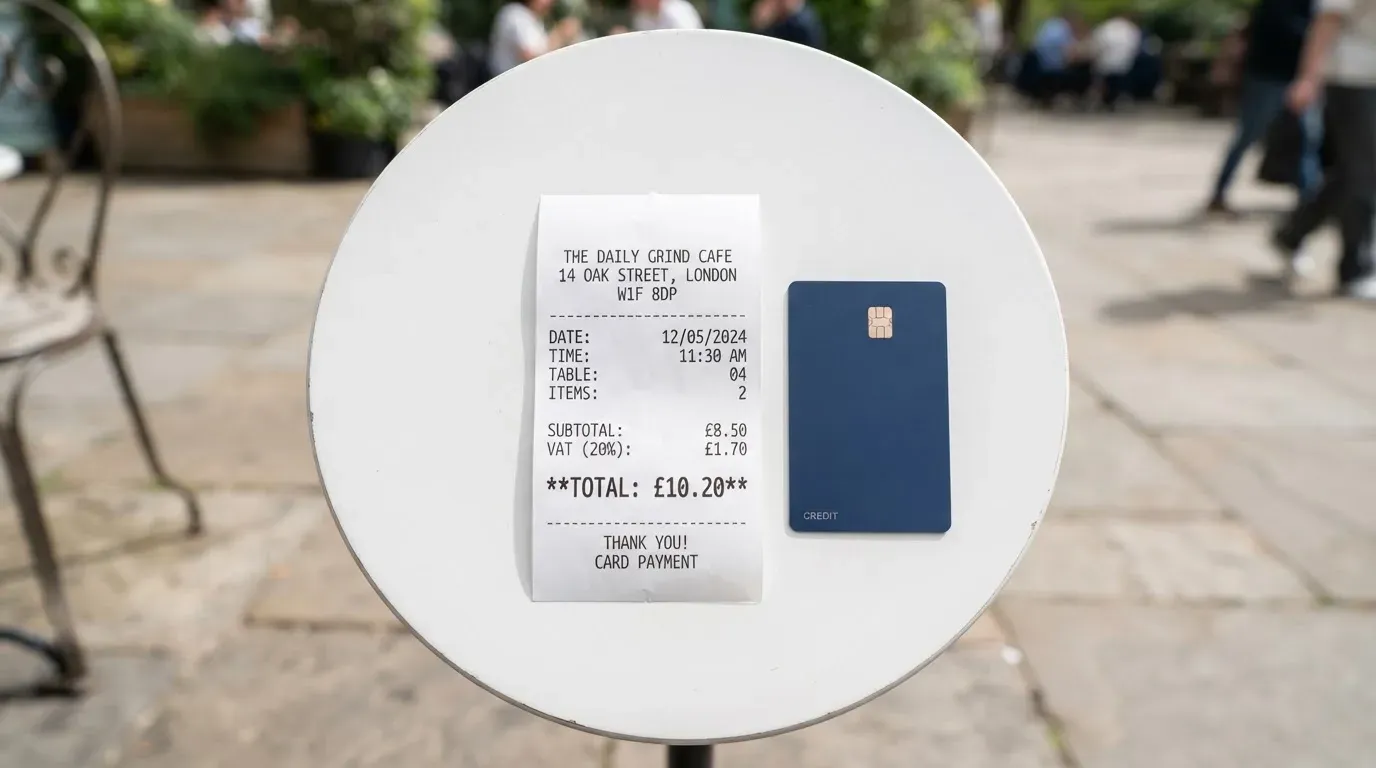
What is clear is this. The default settlement currency on the card is USD. If you spend in USD, you pay 1% on the transaction. If you spend in any other currency, you pay 2.2% on the transaction. There is also a small-amount authorisation fee of $0.20 on any transaction between $0 and $1 (the first five per card per month are waived), and a $0.5 fee on a declined transaction (the first three per card per month are waived). Those two micro-fees exist because authorisation holds cost the issuer money and small transactions do not cover the cost.
A $100,000-per-transaction limit is published, and the daily limit is described as unlimited, which I take to mean the cap is on a single transaction rather than the day. Customisable spending limits are mentioned by iq.wiki, dated May 2025, but no specific amounts are published and I treat that as unofficial.
| Fee or limit | Amount | Notes |
|---|---|---|
| Issue / one-off | Not stated | Price to get the card is not published. |
| Monthly fee | Not stated | The public pages do not mention a recurring fee. |
| Spending in USD | 1% | Default settlement currency. |
| Spending in non-USD currency | 2.2% | Conversion and FX combined. |
| Authorisation fee ($0 to $1) | $0.20 | First 5 per card per month waived. |
| Declined transaction | $0.5 | First 3 per card per month waived. |
| ATM withdrawal | Not stated | Feature marked “coming soon”. |
| Single-transaction limit | $100,000 | USD card. |
| Daily limit | Unlimited | As published. |
To make this concrete, three everyday payments:
A $5 coffee in a local shop, paid by tapping the virtual card via Apple Pay or Google Pay. The merchant charges you in the local currency; YPT converts to USD at its rate and then back to the local currency at its rate, for a combined 2.2%. The actual cost is roughly 11 cents on a $5 purchase. Because the transaction is above $1, the $0.20 small-amount fee does not apply. If you happen to be paying in USD, the cost is 5 cents instead.
A $50 grocery shop in your local currency, paid the same way. The 2.2% non-USD fee is roughly $1.10. If you are an American shopper paying in USD, the 1% USD fee is 50 cents. The declined-transaction fee does not apply, the small-amount fee does not apply, and you are inside the single-transaction limit.
A $0.60 in-app purchase, paid online. This is the case the small-amount fee is built for. YPT charges $0.20 on top, and the first five such transactions per card per month are free. After that, your $0.60 in-app purchase costs $0.80. If the merchant’s fraud system happens to bounce the transaction, you also pay the $0.5 declined fee, again waived for the first three per card per month. The micro-fees are not punitive, but they add up if you have a lot of sub-$1 transactions on the card.
The “is it free” question, which a lot of people type into search, has a slightly awkward answer. The card does not charge a published monthly fee and the spend fee in USD is a competitive 1%. But “no monthly fee” is not the same as “free”, because every non-USD spend carries a 2.2% charge and the issue price is not published. The all-in cost depends on what you spend and where, and the entry cost is a number you cannot see until you sign up.
Top up: how to fund the YPT card
The top-up flow is the part of the product I find the cleanest, and it is also the part where the missing detail matters most. The four accepted coins are USDT, USDC, BTC and ETH, and the conversion from crypto to fiat happens at the point of payment, not at the point of deposit. That means you do not have to time the market when you top up; the conversion happens when you tap the card.
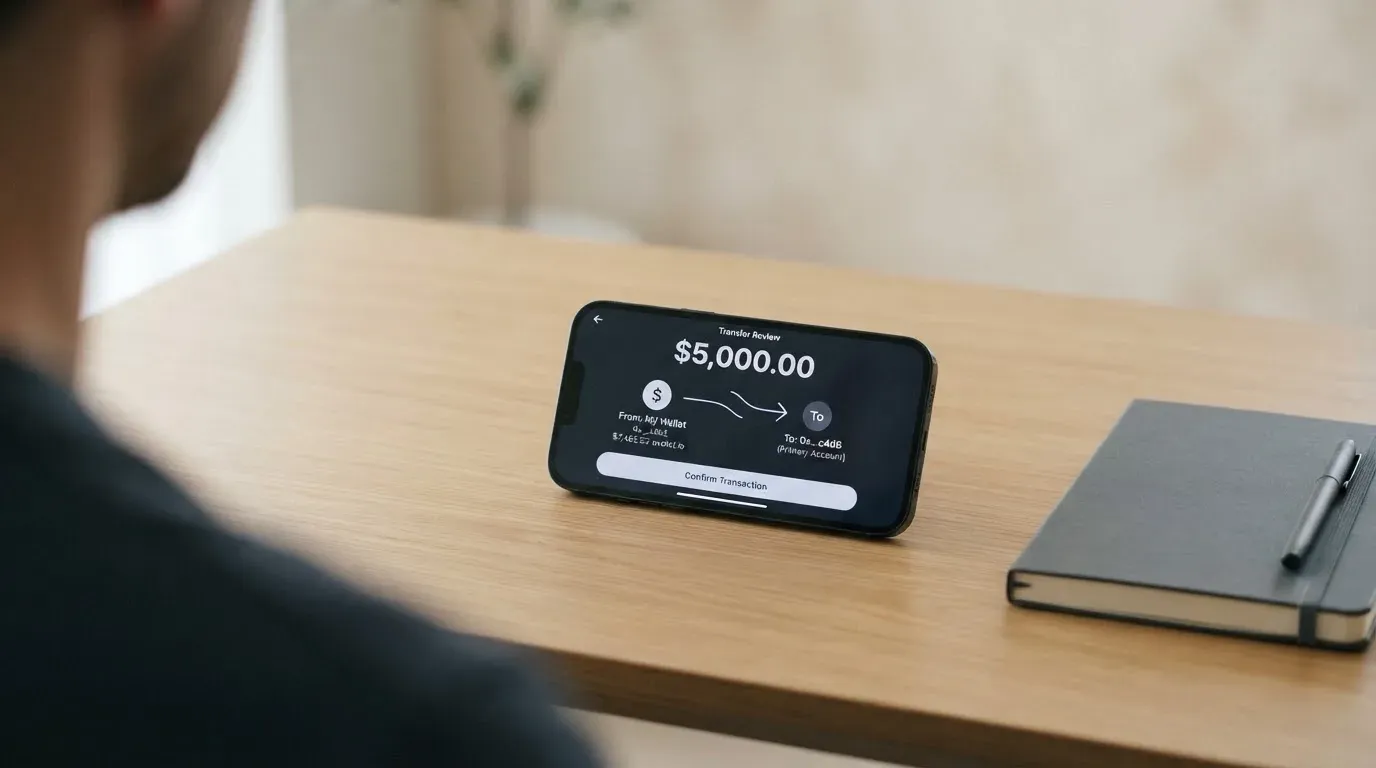
In the app, the top-up flow is described as: choose the currency and the network, then send the funds to the address or QR code shown. The page I read says the recharge has to be higher than 1 unit of whatever you are sending, and any deposit below that is not credited and cannot be retrieved. The page also warns that coins or networks YPT does not support are lost if you send them, so the user is the last line of defence on chain selection.
What is not on the page, and this is the part that needs your attention, is the list of supported networks. The help centre does not tell you whether USDT goes over Ethereum, Tron, Solana or another chain. USDC has the same gap. BTC goes over the Bitcoin network, and ETH over Ethereum, by default, but the help centre does not state this on the page I read. In practice the app will show you the address to send to, and the network is whatever address it shows you, so the most reliable way to know which network to use is to copy the address from the app and send on the network the address belongs to. If you send on a different network, the funds are typically lost; if you send the right coin on the wrong network, the funds are also typically lost. This is not a YPT quirk, it is a property of how blockchain transfers work, and it is the single most common way users lose money in this category.
The minimum top-up is 1 unit of the coin you are sending, and the page is clear that anything below that is not credited. For USDT and USDC, 1 unit is roughly $1, so this is a low bar. For BTC and ETH, 1 unit is a meaningful amount of money, so this is more of a documentation quirk than a practical one. Withdrawal of unused balance back to crypto is not stated.
What this means for you, in practice, is three things. First, send a small test transaction the first time, especially if you are new to a particular network or to wallet-to-wallet transfers. Second, do not send the wrong coin to the address; if the address is a USDT-on-Ethereum address, send USDT on Ethereum, not USDC on Polygon. Third, do not try to send less than 1 unit; it will not be credited, and there is no support workflow to retrieve it.
Paying with the YPT card every day
The card you can actually use today is the virtual card, and the way you use it day to day is the way you use any tokenised card: add it to Apple Pay or Google Pay in the wallet app, and tap or pay online. The help centre says the card can be bound to Apple Pay, Google Pay and “multiple payment platforms”, which I read as a generic phrase for “we work with the usual tokenisation providers”. Blocked merchant categories, if there are any, are not stated on the page I read, so I cannot tell you whether gambling, crypto purchases or adult sites are declined at the card level. The 3-D Secure behaviour, including whether you are challenged on every online payment or only on risky ones, is also not stated.
A cashback or rewards scheme is not stated. The help centre is silent on points, on a percentage back, on tiered earn rates and on a staking requirement to unlock a higher earn rate. If you are looking for a card that pays you back for spending, YPT does not, on the public pages, do that.
The app itself is described by iq.wiki, dated May 2025, as available on iOS and Android for card applications, deposits and tracking, and I treat that as unofficial because the help centre does not list app store links. App store ratings, where they exist, were not read for this review.
Disputes and refunds are described in the help centre: refunds usually take 2 to 15 days, some take longer than a month, and YPT credits your balance after it receives the refund from the merchant. That is the right order — the merchant pays the issuer, and the issuer pays you — and the window is wider than a typical chargeback because the merchant has to push the money back through the same rails. If you are disputing a charge, the clock starts when the merchant agrees to refund, not when you raise the dispute.
The everyday-use experience, in short, looks like this for a stablecoin user. You top up with USDT or USDC, the app converts to USD when you pay, you tap to pay in shops or check out online, and you see the charge in USD in the app. If you travel, you pay in the local currency and the 2.2% non-USD fee is the cost of not having to think about FX. The two things missing are cashback and a published list of blocked merchant categories, both of which would be nice to have but neither of which is essential.
What can go wrong with the YPT card
The risk picture for this card has three layers: the operational layer, the regulatory layer and the user-error layer. I will take them in that order.
On the operational side, the help centre describes a custody arrangement in which digital assets are held by a licensed trust company, and the same page says there is $50 million of insurance behind those assets. That is a meaningful statement: it means the company is not self-custodying customer balances in a way that would put them inside the operating company’s balance sheet, and there is a named insurance backstop. The PIN-code protection on the card is mentioned both in the help centre and in the independent source I checked. The KYC is handled by Sumsub, which is a recognisable name in the verification market. What is not stated is the identity of the card issuer — the licensed bank or e-money institution that actually issues the BIN. That is a real gap in the public information, because the issuer is the party the regulator supervises and the party whose licence gets pulled if something goes wrong. A crypto card whose issuer you cannot name is harder to diligence than one whose issuer is named.
On the regulatory side, YPT is a joint product of YPT.COM Company and RedotPay. RedotPay is a Hong Kong-based crypto card company that has been operating in this space for some years and has its own regulatory footprint in the markets it serves. The YPT entity itself is less familiar to me, and the help centre does not say which regulator supervises it. As a user, what you want to know is: who licences this product, in which country, and what do I do if the company stops responding. The help centre gives you the contact details — [email protected], a Telegram channel, an X account and a GitBook help centre in English — but it does not give you a regulator to escalate to. That is normal for a smaller programme manager, and it is also a reason to keep your balance on the card modest.
On the user-error side, the risks are the ones that are common to every crypto card: sending the wrong coin to a deposit address, sending on the wrong network, sending less than the minimum top-up, and losing the device that holds the mobile wallet without revoking the card in the wallet first. None of these are YPT-specific, but they are the most common ways users lose money in this category, and the help centre warns about them in plain language.
Complaints: I did not find a Trustpilot page for YPT, and I did not find a public complaint thread on the usual consumer forums. That is not the same as “no complaints” — it usually means the customer base is too small to have generated one, or the company is too new to have a public review footprint. Treat the absence of complaints as silence, not as a clean bill of health.
What to take instead of the YPT card
If YPT is the right product for you, none of the alternatives will tempt you, and the rest of this section is just context. If YPT is not the right product, three alternatives are worth a look, and I will walk through them in the same way I walked through YPT. The aim is to give you a way to compare, not to crown a winner.
CardFlow is a virtual USD Mastercard aimed at Nigerian users and the Nigerian diaspora, and the marketing material describes it as free to create. The card is virtual, and the headline is “Nigeria’s smartest fintech card platform”. What CardFlow offers that YPT does not is a clear free-issuance story; what it does not offer, on the public pages I read, is a published fee schedule, a list of supported countries, or any mention of cashback. The score I give CardFlow in this comparison is 4.9 out of 10, and the reason is that the product is well-defined for its target market but the public information is thin outside that target market. If you are in Nigeria, or you bank in naira, CardFlow is a credible option; if you are anywhere else, YPT’s broader acceptance story is more useful.
HyperCard is a prepaid card whose marketing says it works in “more than 176 countries”, and that figure is about acceptance rather than eligibility. The card holds a balance in USD or EUR, and you fund it by depositing USDT, BTC or ETH in the app, which converts to the card’s balance on arrival. The official pages I read do not publish a country eligibility list, do not publish a fee schedule, and do not mention a card network. The score I give HyperCard is 4.7 out of 10, and the reason is that the product exists and the conversion flow is clean, but the public information does not let a reader make a confident decision without signing up. The risk profile of a card whose fees you cannot see on the website is higher than a card whose fees are on the homepage, even if the headline 176-country figure is impressive.
Card.fi is the more serious alternative in this list, and the score I give it is 6.6 out of 10. The product page says cards ship to 200+ countries, with a terms-of-service bar on residents of countries subject to sanctions. The product comes in four tiers: Virtual Classic, Virtual Premium, a physical Classic, a physical Premium and a metal card, and every physical order includes a virtual card. The card is issued under licence from the card schemes (Visa or Mastercard is not named in the public materials I read), the card currency is not stated, and the cashback structure is the most developed of the four products: 0.8% on Classic (capped at 10 USDT per month), 1% on Premium, 1.2% or 2% on Metal depending on stake (with caps of 100 or 250 USDT per month and lifetime caps of 5,000 or 20,000 USDT), a 10% headline at coffee shops capped at 10 USDT per month, and a “up to 18%” earn rate on idle balances on Metal. Top-up fees are 1.5% plus $1 on Classic and 1% on Premium, and FX fees are 3.5% on Classic and 2.5% on Premium. The issue prices are $49 for Virtual Classic and $249 for Virtual Premium; physical and metal prices are not listed; and the conversion fee is shown before each top-up. The 32 supported coins across 5 networks (Ethereum, Base, BNB Chain, Solana, Kaanch) include USDT, USDC, ETH, BNB, SOL and KAANCH. Wrong-chain deposits risk permanent loss, which is the same caveat as YPT.
| Card | Score | Top-up coins | Issue price | Spend fee in USD | Cashback |
|---|---|---|---|---|---|
| YPT | 7.4 / 10 | USDT, USDC, BTC, ETH | Not stated | 1% | Not stated |
| CardFlow | 4.9 / 10 | BTC, USDT, ETH, naira | Free (virtual) | Not stated | Not stated |
| HyperCard | 4.7 / 10 | USDT, BTC, ETH | Not stated | Not stated | Not stated |
| Card.fi | 6.6 / 10 | 32 coins, 5 networks | $49 (Virtual Classic), $249 (Virtual Premium) | 1.5% + $1 (Classic), 1% (Premium) | 0.8%–2% on card spending, plus “up to 18%” on idle balances |
The honest comparison is this. YPT scores higher than the alternatives because the spending fee is published and the eligibility list is short and clear. CardFlow and HyperCard have the same problem — they do not publish what most readers would want to know before signing up. Card.fi is the only alternative that publishes a fee schedule and a cashback structure, and it does so with a paid product and a tiered fee structure, which is a different trade-off to YPT’s “free to issue, percentage on every spend” model. The right card depends on whether you would rather pay a higher entry fee and earn cashback, or pay nothing to enter and pay a small percentage on every spend.
Who I would recommend the YPT card to
I would recommend the YPT card to a reader who holds stablecoins or a small amount of BTC and ETH, lives outside the five unsupported mailing-address countries, and wants to turn that balance into a card they can tap in a shop or use online without thinking about FX or wire transfers. If your day-to-day spend is in USD, the 1% fee is competitive; if your day-to-day spend is in another currency, the 2.2% is the cost of not having to think about FX, and the question is whether that is worth the convenience.
I would not recommend the YPT card to a reader who needs a physical card today, who needs ATM access, who needs a published monthly fee and a published issue price, who needs a cashback or staking scheme, or who plans to put a large fiat balance on the card and leave it there for a long time. For all of those cases, the gaps in the public information are exactly the gaps you do not want to discover after you have signed up.
The reader I would steer in a different direction is the one who wants a metal card in the post, a tiered cashback structure and a published fee schedule from day one. Card.fi is the more serious alternative in that direction, and the 6.6 score is a fair summary of what you get for the entry price. The reader who wants a free-to-create virtual card in Nigeria should look at CardFlow. The reader who wants a card that works in 176 countries and is happy to do the diligence themselves should look at HyperCard. For everyone else, the YPT card is worth a try, and the 7.4 score reflects a product that does the simple job well and admits, by silence, where it does not.
Frequently asked questions
What is the YPT card?
The YPT card is a payment card, currently available as a virtual card with a physical version marked as coming soon, that lets you spend a balance funded by USDT, USDC, BTC or ETH. The card is run jointly by YPT.COM Company and RedotPay, with digital assets held by a licensed trust company and $50 million of insurance behind them. The default settlement currency is USD.
How does the YPT card work?
You fund the card by sending USDT, USDC, BTC or ETH to a deposit address in the app, and the conversion from crypto to fiat happens when you pay rather than when you deposit. The card can be added to Apple Pay or Google Pay for tap payments, and used online as a regular card number. The minimum top-up is 1 unit of the coin you send, and anything below that is not credited.
Is YPT a bank?
No. YPT is a payment product, not a bank account, and the fiat balance on the card is not a deposit and is not covered by a deposit guarantee scheme. The company behind the card is YPT.COM Company, in partnership with RedotPay, and the card issuer is not named in the public materials.
Who owns YPT?
The card is a joint product of YPT.COM Company and RedotPay. RedotPay is the more established of the two names and is a Hong Kong-based crypto card company. The card issuer, the bank or e-money institution that actually issues the BIN, is not named on the public pages, and that is a real gap in the diligence.
Is the YPT card available in my country?
The help centre lists five countries where the card cannot be sent as a mailing address: Egypt, Tunisia, Palestine, Puerto Rico and Tanzania. The billing address is not restricted, so you can use a forwarding address in a supported country. Outside those five, the help centre does not publish a country-by-country list, and KYC may still decline your application.
Does the YPT card require KYC?
Yes. Identity verification is handled by Sumsub, a third-party eKYC provider, and the documents you hand over are full legal name, date of birth, and a government-issued photo ID. More information, including proof of address or source of funds, may be requested during review.
How do I top up the YPT card?
In the app, choose the currency and the network, then send the funds to the address or QR code shown. The minimum is 1 unit of the coin you are sending; anything below that is not credited. The supported networks are not listed on the public pages I read, so the most reliable way to know which network to use is to copy the address from the app and send on the network the address belongs to.
How do I add the YPT card to Apple Wallet or Google Pay?
The help centre says the card can be bound to Apple Pay, Google Pay and “multiple payment platforms”. The practical walk-through is the same as for any tokenised card: open the wallet app, choose to add a card, and follow the prompts to verify the card with the issuer. The help centre does not publish a step-by-step guide for the wallet add flow.
Is the YPT card safe?
The digital assets are held by a licensed trust company with $50 million of insurance, and the KYC is handled by Sumsub, a recognised verification provider. The card has PIN-code protection, and the help centre mentions anti-misuse fees and negative-balance rules. The main gap is that the card issuer is not named in the public materials, so the regulator to escalate to is not obvious.
How long do refunds take on the YPT card?
The help centre says refunds usually take 2 to 15 days, some take longer than a month, and YPT credits your balance after it receives the refund from the merchant. The clock starts when the merchant agrees to refund, not when you raise the dispute, and you can ask the card issuer to charge back if the merchant does not respond.
Virtual card verdicts – cryptocardverdict
Content created by the «cryptocardverdict» team